Hard Rock Mining
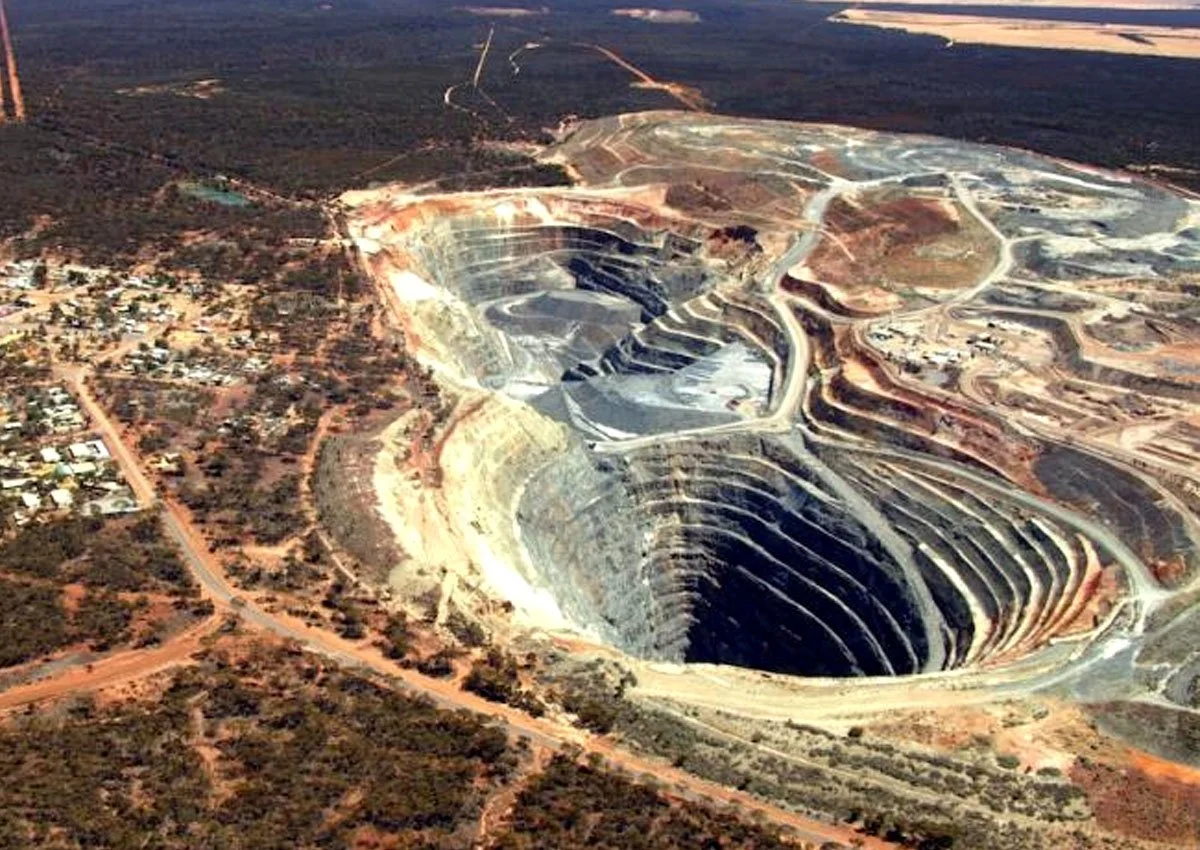
Hard rock mining involves extracting lithium from mineral ores like spodumene. This method typically involves blasting or digging out lithium-rich rock, which is then crushed and processed to concentrate the lithium. This approach is common in countries like Australia.
Brine Extraction
Brine extraction involves pumping lithium-rich brine from underground reservoirs, often found beneath dried lake beds or salt flats, into large evaporation ponds. Over several months, sunlight evaporates the water, leaving behind concentrated salts that contain lithium, which can then be purified. This method is commonly used in South America, particularly in Chile and Argentina.
Emerging Methods: Direct Lithium Extraction (DLE)
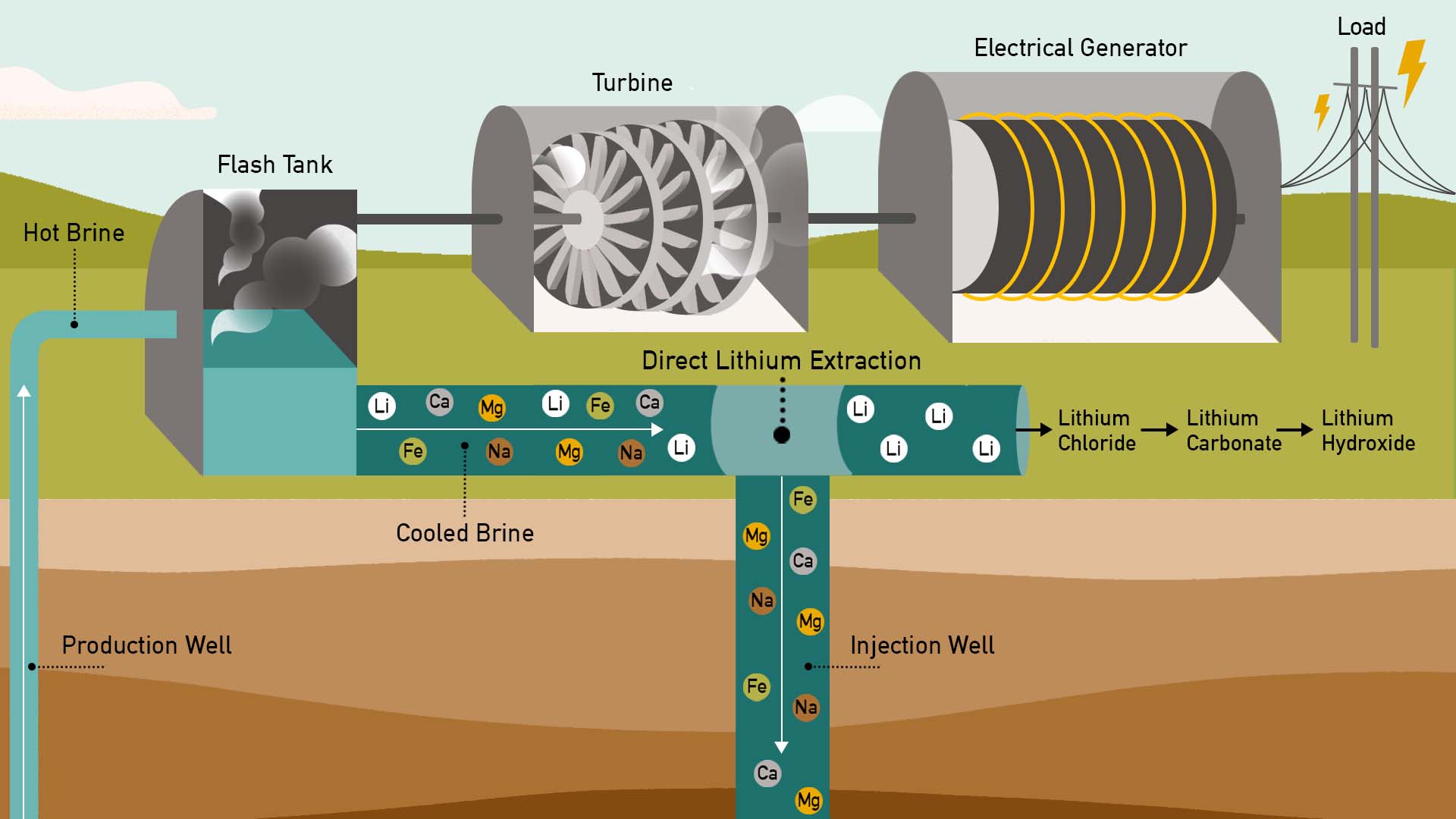
Direct Lithium Extraction (DLE) encompasses new techniques designed to extract lithium from brines or clay deposits more quickly and with less water compared to traditional methods. DLE methods often use special filters, membranes, or chemical processes to selectively extract lithium without waiting for evaporation, aiming to reduce environmental impact and improve efficiency.
Chemical engineers are involved in designing extraction processes tailored to the specific lithium source, whether it's hard rock or brine. They optimize and manage lithium processing plants, ensuring maximum lithium recovery and high purity. Their expertise extends to purification and conversion steps, where raw lithium is transformed into battery-grade chemicals. They also establish safety procedures and ensure compliance with environmental regulations, addressing concerns like waste brine treatment and water recycling. Furthermore, chemical engineers drive innovation and improvement, seeking ways to enhance efficiency, reduce environmental impact, and develop sustainable extraction techniques.

Typically, a bachelor's degree in chemical engineering requires around 4 years of undergraduate education. However, many chemical engineers opt to pursue further education, with a Master’s degree taking approximately 1–2 additional years and a Ph.D. (doctorate) requiring 4–6 additional years. Strong high school preparation in chemistry, physics, and math is essential for admission into engineering programs.
New chemical engineering graduates can expect a starting salary around \$70,000–\$80,000 per year, while the median annual salary for chemical engineers with several years of experience is about \$112,000. Seasoned engineers or those in senior positions can earn \$150,000+ per year.
Several companies offer opportunities for chemical engineers in the lithium mining sector.

Albemarle Corporation is a leading global producer of lithium, operating lithium mines and brine operations in various locations, including Australia and Chile.
SQM is a Chilean company and one of the world's largest lithium producers, extracting lithium from brine deposits in Chile's Atacama Desert.
Ganfeng Lithium is a major lithium company based in China, with operations spanning lithium mining, refining, and battery material production across Asia, Australia, and Argentina.